|
Jon Lewis received his Master of Arts Degree in
Criminal Justice from Chapman University in Orange California. He holds a Bachelor of Science degree in Criminal Justice with
a minor in Speech Communication from Long Beach State University in California. He is a veteran officer with the Newport Beach
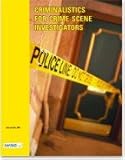
Police Department, currently serving as a Sergeant and a member of the Special Weapons and Tactics (SWAT) Team. Sergeant Jon Lewis is the author of Criminalistics
for Crime Scene Investigators. He is also the co-author of Biological Evidence.
According to the book description of Biological
Evidence, “An introduction to the types of biological evidence commonly found at crime scenes and how
to collect it. This text is written in an easy to read and understand style for non-science majors and for professionals working
in the criminal justice system. Specific biological evidence discussed includes blood, semen, saliva, urine, feces, hair,
and fingernails. Additional topics include autopsy, the basic departments of the crime laboratory, toxicology, forensic entomology,
and uncollectible biological evidence. Packaging, preservation, and care of biological evidence is discussed and chain of
custody is explained. Additional topics include DNA, case studies, courtroom testimony, and exhibits for the courtroom.”
According to the book description of Criminalistics
for Crime Scene Investigators, “An introduction to the concepts involved in the field of Criminalistics
from the professional and scientific disciplines dedicated to the recognition, collection, identification, and individualization
of physical evidence and the application of the natural sciences to the matters of the law will be examined. This textbook
is appropriate for criminal justice, criminal investigation, and homeland security programs. It is also suited for programs
in emergency management, corporate security, psychology, emergency medical services and healthcare, police academy programs,
and continuing professional development.”
|